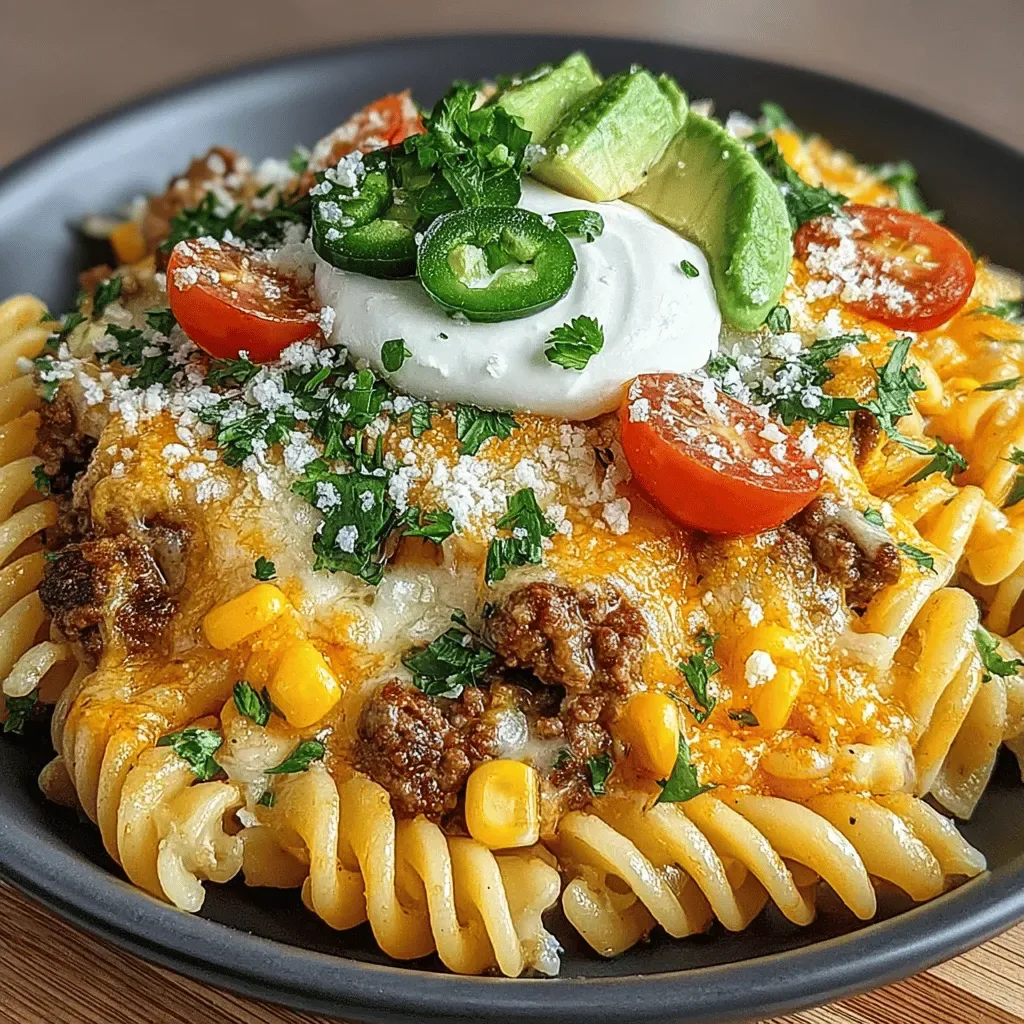
It was one of those evenings when the wind was howling outside, the kind of night that makes you want to curl up with a blanket, a good book, and something that smells like a warm hug from the kitchen. I remember the first time I tried to turn my classic lasagna into a soup—my teenage son was demanding a quick dinner, and the pantry was stocked with a few staples. I tossed the ground beef, a splash of broth, and a jar of marinara into the crockpot, and as the lid lifted after a few hours, a cloud of fragrant steam hit me like a wave of nostalgia. The aroma of simmering tomatoes, garlic, and melted cheese filled the house, and my family gathered around the table, spoons in hand, eyes wide with anticipation.
That moment sparked an obsession. I kept tweaking, adding, and tasting until the soup felt like a lasagna in a bowl—layers of flavor, a comforting heartiness, and that cheesy pull that makes you sigh with pleasure. The secret? A slow‑cooked, six‑hour process that lets each ingredient meld together, creating depth you just can’t get from a stovetop boil. Imagine the rich, meaty broth swirling with the bright acidity of tomatoes, punctuated by the creamy kiss of ricotta and the stretchy stretch of mozzarella. It’s the perfect marriage of comfort food and elegance, all without the fuss of baking a tray of lasagna.
But wait—there’s a twist that takes this soup from “good” to “absolutely unforgettable.” In step four, I’ll reveal a trick that most home cooks overlook, and it’s the reason this dish always earns rave reviews at my dinner parties. Have you ever wondered why restaurant versions of lasagna soup taste so different? The answer lies in a tiny detail that most people skip, and trust me, you’ll want to know it before you start chopping.
Now, you might be thinking, “Six hours sounds like a lot of time,” but the beauty of a crockpot is that you set it and forget it while you go about your evening. By the time you’re ready to serve, the soup will have transformed into a velvety, aromatic masterpiece that begs for seconds. The best part? It’s practically hands‑off, leaving you free to enjoy the cozy night with your loved ones. Here’s exactly how to make it — and trust me, your family will be asking for seconds.
🌟 Why This Recipe Works
- Flavor Depth: The slow‑cook method allows the beef, tomatoes, and herbs to break down and mingle, creating a broth that’s richer than any store‑bought stock. Each spoonful delivers layers of umami, acidity, and a hint of sweetness that dance on the palate.
- Texture Harmony: By breaking the lasagna noodles into bite‑size pieces, you get just the right amount of chew without turning the soup into a mushy mess. The ricotta stays creamy, while the mozzarella melts into silky ribbons that coat every noodle.
- Ease of Preparation: All you need is a single crockpot, a cutting board, and a few minutes of prep. No stovetop juggling, no oven preheating—just set it, walk away, and let the magic happen.
- Time Efficiency: While the soup simmers for six hours, you can attend to other chores, catch up on a show, or simply relax. The result is a dinner that feels like you spent hours in the kitchen, but you really didn’t.
- Versatility: This recipe can be easily adapted for vegetarians (swap beef for lentils or mushrooms), for gluten‑free diets (use gluten‑free pasta), or even for a spicy kick (add red pepper flakes).
- Nutrition Boost: The combination of lean ground beef, tomatoes, and a modest amount of cheese provides protein, iron, and antioxidants, while the broth keeps the dish light enough for a comforting yet balanced meal.
- Ingredient Quality: Using a premium marinara like Rao’s and fresh basil elevates the soup from everyday to restaurant‑quality, proving that simple ingredients can shine when treated right.
- Crowd‑Pleasing Factor: Kids love the cheesy pull, adults appreciate the depth of flavor, and anyone who’s ever craved lasagna will be instantly drawn to this soup version.
🥗 Ingredients Breakdown
The Foundation: Ground Beef & Aromatics
The 1 lb of 85% lean ground beef is the backbone of this soup, providing a hearty, meaty flavor that anchors the broth. I always choose beef that has a slight pink hue in the package—this indicates freshness and a good fat content, which translates to a silkier mouthfeel. If you’re looking for a leaner version, you can swap in 90% lean, but be prepared for a slightly thinner broth unless you add a splash of extra olive oil. The small onion, finely diced, releases natural sugars as it softens, creating a subtle sweetness that balances the acidity of the tomatoes. And those three cloves of garlic? They’re the aromatic whisper that turns a good soup into a great one. Don’t rush the garlic; let it sit for a minute after mincing to let the enzymes develop fully.
Aromatics & Spices: Herbs That Sing
A teaspoon each of dried basil and oregano may sound modest, but these herbs are the soul of Italian cooking. Dried herbs release their flavors slowly, which is perfect for a six‑hour cook. If you have fresh basil on hand, tear a handful and add it at the end for a burst of bright, peppery notes. The half‑teaspoon of salt and quarter‑teaspoon of black pepper provide the essential seasoning foundation—just enough to enhance, not overpower. Remember, the marinara and broth already contain salt, so taste before you add more. A pinch of red pepper flakes can be added for a gentle heat if you love a little kick.
The Secret Weapons: Liquids & Tomatoes
Four cups of chicken broth act as the liquid canvas, giving the soup its body and depth. I prefer low‑sodium broth so I can control the salt level myself. The 24‑oz jar of Rao’s marinara sauce is a game‑changer; its slow‑cooked, no‑added‑sugar profile brings a sweet‑tart balance that store‑bought sauces often lack. The 14.5‑oz can of diced tomatoes (undrained) adds texture and bursts of juicy acidity throughout the soup. The juice from the can melds into the broth, preventing the soup from feeling too thick while still delivering that fresh tomato pop.
Finishing Touches: Noodles, Cheeses & Garnish
Eight lasagna noodles, broken into bite‑size pieces, are the star of the show. I break them by hand because it creates irregular edges that trap broth, delivering a burst of flavor with each bite. The half‑cup of ricotta adds a creamy, slightly tangy layer that contrasts beautifully with the savory broth. The shredded mozzarella melts into silky strands, while the grated Parmesan contributes a salty, nutty finish. A few fresh basil leaves, torn just before serving, not only add a pop of color but also a fragrant lift that brightens the whole bowl.
With your ingredients prepped and ready, let's get cooking. Here's where the fun really begins...
🍳 Step-by-Step Instructions
- Brown the Beef. Set your crockpot to the “high” setting for a quick sear, or use a skillet on medium‑high heat. Add the ground beef, breaking it up with a wooden spoon, and let it sizzle until it turns a deep, caramelized brown—about 6‑8 minutes. You’ll hear a faint crackle and smell a nutty, roasted aroma that tells you the Maillard reaction is doing its work. Drain any excess fat if you prefer a leaner soup, but leave a tablespoon for extra flavor. 💡 Pro Tip: Sprinkle a pinch of salt while browning; it helps draw out moisture and intensifies the beef’s flavor.
- Sauté the Aromatics. In the same pan (or directly in the crockpot if it has a sauté function), add the finely diced onion and minced garlic. Cook, stirring frequently, until the onion becomes translucent and the garlic turns golden, about 3‑4 minutes. The kitchen will fill with a sweet, pungent scent that makes you want to peek inside the pot. If you hear a faint sizzle, you know the aromatics are releasing their essential oils—this is the foundation of flavor.
- Combine Liquids & Herbs. Transfer the browned beef and aromatics into the crockpot (if you used a skillet). Pour in the chicken broth, marinara sauce, and the entire can of diced tomatoes, juice and all. Sprinkle the dried basil, oregano, salt, and black pepper over the top. Give everything a gentle stir, making sure the noodles will be evenly submerged later. Here’s the thing: the broth should just barely cover the ingredients; you don’t want it too watery, but you also don’t want it to dry out.
- Add the Noodles. Break the lasagna noodles into bite‑size pieces and scatter them over the surface. Do not stir them in yet; let them sit on top of the liquid. This technique ensures the noodles absorb the broth gradually, preventing them from becoming overly soft. ⚠️ Common Mistake: Stirring the noodles immediately can cause them to clump together and turn mushy. Let them sit for a few minutes before the slow cook begins.
- Set the Crockpot. Cover the pot and set it to “low” for six hours. This low, slow heat allows the flavors to meld, the beef to become tender, and the noodles to soak up the broth without disintegrating. If you’re short on time, the “high” setting for 3‑4 hours works, but the depth of flavor is truly unmatched after a full six‑hour low simmer. While it cooks, the house will be filled with a tantalizing aroma that drifts through every room, coaxing everyone to the kitchen.
- Stir in the Cheeses. About 15 minutes before you plan to serve, open the lid, and gently fold in the ricotta, shredded mozzarella, and grated Parmesan. The cheeses will melt into the hot broth, creating a velvety texture that coats each noodle. You’ll notice the soup turning a richer, golden hue as the mozzarella stretches and the Parmesan dissolves, adding a subtle nutty undertone.
- Season to Taste. After the cheese has melted, give the soup a final taste. This is the moment to adjust salt, pepper, or even add a splash of extra broth if you prefer a thinner consistency. If you love a fresh herb punch, tear a handful of fresh basil leaves and stir them in now. The basil’s aromatic oils will rise to the surface, giving the soup a bright, garden‑fresh finish.
- Serve and Enjoy. Ladle the soup into bowls, ensuring each serving gets a generous amount of noodles, meat, and cheese. Garnish with a few more fresh basil leaves and an extra sprinkle of Parmesan if desired. The steam rising from the bowl will carry the scent of tomato, beef, and melted cheese—an irresistible invitation to dig in. Go ahead, take a taste — you’ll know exactly when it’s right.
And there you have it! But before you dig in, let me share some tips that will take this from great to absolutely unforgettable...
🔐 Expert Tips for Perfect Results
The Taste Test Trick
Before you close the lid for the final hour, pull out a small spoonful and let it cool for a few seconds. Taste and adjust seasoning now—this is the only time you can truly gauge the balance of salt, acidity, and herbs. I always add a pinch more salt at this stage because the slow cook can mellow flavors.
Why Resting Time Matters More Than You Think
Even after the crockpot timer dings, let the soup sit with the lid slightly ajar for 10 minutes. This resting period allows the cheese to set slightly, making each spoonful more cohesive. The result is a soup that feels thicker and more luxurious on the palate.
The Seasoning Secret Pros Won’t Tell You
A dash of Worcestershire sauce added during the last 30 minutes introduces umami depth that most home cooks miss. It’s a subtle ingredient that elevates the savory profile without being noticeable. Trust me on this one: it’s the hidden hero of many restaurant soups.
Cheese Placement Strategy
Adding the ricotta first, followed by mozzarella, and finally Parmesan creates a layered melt that prevents clumping. The ricotta stays creamy, the mozzarella stretches, and the Parmesan forms a flavorful crust on the surface.
The Pasta Timing Hack
If you prefer a firmer noodle bite, add the broken lasagna noodles during the last two hours of cooking instead of at the start. This prevents them from soaking up too much broth and turning mushy, giving you a pleasant al dente texture.
🌈 Delicious Variations to Try
One of my favorite things about this recipe is how versatile it is. Here are some twists I've tried and loved:
Mediterranean Spin
Swap the ground beef for ground lamb, add a handful of chopped Kalamata olives, and sprinkle in a teaspoon of cumin. The result is a fragrant, slightly tangy soup that transports you to a seaside tavern.
Spicy Arrabbiata Version
Add two teaspoons of crushed red pepper flakes with the herbs, and use a spicy arrabbiata marinara instead of the sweet Rao’s. This gives the soup a bold heat that’s perfect for chilly evenings when you need a little fire.
Vegetarian Garden Delight
Replace the ground beef with a mix of diced mushrooms, zucchini, and lentils. Use vegetable broth instead of chicken broth, and you’ll have a hearty, meat‑free soup that still delivers that comforting lasagna vibe.
Creamy Pumpkin Twist
In the last hour, stir in a cup of pureed pumpkin and a pinch of nutmeg. The pumpkin adds a silky sweetness and a beautiful orange hue—perfect for a fall-themed dinner.
Cheesy Four‑Cheese Upgrade
Combine ricotta with a tablespoon of mascarpone, add provolone along with mozzarella, and finish with a generous grating of Pecorino Romano. This cheese combo creates an ultra‑rich, indulgent bowl that feels like a gourmet cheese fondue.
Herb‑Infused Green
Blend a handful of fresh spinach and basil into the broth before adding the noodles. The green infusion not only adds a vibrant color but also a fresh, earthy flavor that balances the richness of the meat and cheese.
📦 Storage & Reheating Tips
Refrigerator Storage
Allow the soup to cool to room temperature before transferring it to airtight containers. It will keep for up to 4 days in the fridge. When reheating, add a splash of chicken broth or water to restore the soup’s silky texture—this prevents it from drying out.
Freezing Instructions
Portion the soup into freezer‑safe bags or containers, leaving a little headspace for expansion. It freezes beautifully for up to 3 months. To thaw, move it to the fridge overnight, then reheat gently on the stovetop or in the microwave, again adding a splash of liquid if needed.
Reheating Methods
The best way to reheat without losing the creamy cheese texture is to use a low simmer on the stovetop, stirring occasionally. If you’re in a hurry, the microwave works fine—heat in 30‑second intervals, stirring in between, and finish with a drizzle of olive oil for a glossy finish.