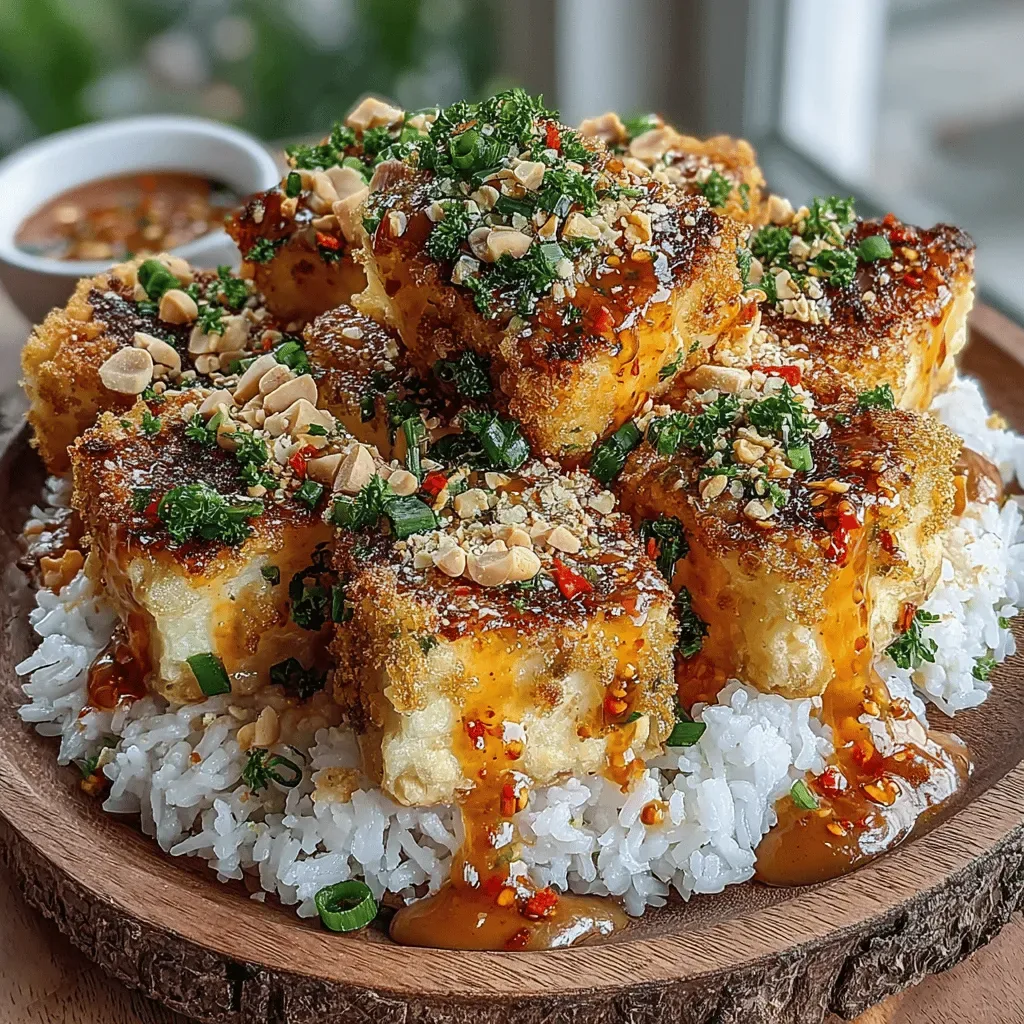
Since that first experiment, the “four‑ingredient” rule has become my kitchen mantra for creating desserts that feel indulgent without demanding endless prep time. The beauty of this cake lies in its flexibility – you can swap the type of apples, adjust the sugar level to suit your taste, or even add a pinch of spice if you’re feeling adventurous. Yet, even in its most basic form, the cake delivers a perfect balance of sweet, tart, and buttery notes that make it a crowd‑pleaser at family gatherings, potlucks, and lazy weekend brunches. Imagine the look on your guests’ faces when they bite into that soft, aromatic interior while the edges crackle with a delicate, caramel‑kissed crust.
What makes this recipe truly stand out is how it respects the natural flavor of the apples while allowing the butter and sugar to create a subtle caramelization that elevates the whole dish. The dough doesn’t need any leavening agents, eggs, or exotic spices; it relies on the chemistry between flour, butter, and sugar to develop a tender crumb that holds the fruit in a gentle embrace. And because there are only four ingredients, the shopping list is short enough to fit on a single slip of paper, making a spontaneous bake after work completely doable. But wait – there’s a secret trick in step four that turns an ordinary bake into a show‑stopping masterpiece, and I’ll reveal it shortly.
Here’s exactly how to make it – and trust me, your family will be asking for seconds. Grab a bowl, a pan, and a handful of good apples, and let’s dive into a culinary adventure that proves great things really do come in small packages. The journey from raw ingredients to a beautifully golden cake is filled with tiny moments of joy, and each one is worth savoring. Ready? Let’s get started.
🌟 Why This Recipe Works
- Flavor Depth: The natural sugars in the apples caramelize with the butter and sugar, creating a deep, honeyed flavor that feels richer than the sum of its parts. This process happens without any added spices, letting the fruit shine.
- Texture Harmony: The flour creates a soft, cake‑like base while the butter forms a crisp, buttery edge that crackles when you cut into it. The contrast between the tender interior and the slightly crunchy rim keeps every bite interesting.
- Effortless Simplicity: With only four ingredients, you eliminate the guesswork of measuring exotic items, and the recipe becomes accessible to beginners and seasoned bakers alike. No need to hunt for obscure pantry items – everything you need is likely already at home.
- Speedy Preparation: Because there’s no need for whisking eggs or waiting for dough to rise, you can have the batter ready in under ten minutes, and the entire bake takes just half an hour. This makes it perfect for a quick after‑work dessert.
- Versatile Presentation: The cake can be served warm with a scoop of vanilla ice cream, dusted with powdered sugar, or even chilled for a slice‑and‑serve dessert at a potluck. Its neutral flavor profile adapts to many serving styles.
- Nutrition Balance: While it’s undeniably a treat, the recipe relies on fruit for natural sweetness and fiber, while the butter provides a satisfying dose of healthy fats. It’s a comforting indulgence that doesn’t feel overly heavy.
- Ingredient Quality Matters: Using fresh, crisp apples and high‑quality butter makes a noticeable difference in aroma and taste, turning a simple cake into a gourmet‑level experience.
- Crowd‑Pleasing Factor: The aroma alone draws people into the kitchen, and the familiar flavor of apple cake is universally loved, making it a safe bet for any gathering.
🥗 Ingredients Breakdown
The Foundation
All great cakes start with a solid base, and in this recipe the foundation is built from just three pantry staples: all‑purpose flour, unsalted butter, and granulated sugar. The flour provides structure, the butter adds richness, and the sugar not only sweetens but also contributes to the caramelization that gives the crust its golden hue. When these three come together, they create a tender crumb that holds the apple slices in place without becoming soggy.
The Star of the Show: Apples
Apples are the heart and soul of this cake. Choose firm varieties that hold their shape during baking – think Granny Smith for tartness, Honeycrisp for sweetness, or a blend for a balanced taste. Peel, core, and slice them thinly so they soften evenly and release just enough juice to mingle with the butter and sugar. The natural pectin in the apples helps thicken the batter slightly, giving the cake a subtle, moist interior.
The Secret Weapon: Butter
Butter is more than a fat; it’s a flavor carrier. Using high‑quality, unsalted butter ensures a clean, creamy taste that lets the apples shine. When melted and mixed with the flour and sugar, it creates a dough that spreads evenly, forming a thin, crisp layer that turns into a caramelized edge as it bakes. If you’re looking for a dairy‑free version, a good quality plant‑based butter works surprisingly well.
Finishing Touches: Sugar
Granulated sugar is the sweet glue that binds the ingredients and fuels the Maillard reaction, which gives the cake its beautiful golden color and a hint of caramel flavor. Adjust the amount to taste – if you prefer a less sweet cake, you can reduce the sugar by a quarter without compromising texture. For an extra depth of flavor, a sprinkle of brown sugar on top before baking adds a subtle molasses note.
When selecting apples, look for fruits that feel firm to the touch and have a bright, even color. Avoid apples with bruises or soft spots, as they can release excess moisture and make the cake soggy. For the butter, keep it at room temperature before melting; this ensures a smooth incorporation without lumps. Finally, store your sugar in an airtight container to keep it dry and free from clumping, which can affect the texture of the batter.
With your ingredients prepped and ready, let's get cooking. Here’s where the fun really begins, and I’ll walk you through each step with the kind of detail that turns a simple bake into a kitchen triumph.
🍳 Step-by-Step Instructions
Preheat your oven to 180°C (350°F) and lightly grease a 9‑inch springform or deep‑dish pan with a thin layer of butter. The heat will create a gentle, even bake, while the buttered pan ensures the cake releases cleanly without sticking. As the oven warms, take a moment to arrange your apple slices in a single, overlapping layer on a cutting board – this visual preparation helps you gauge how many slices you’ll need for an even distribution.
💡 Pro Tip: If you line the bottom of the pan with parchment paper, you’ll get an extra‑crisp base and an effortless release after baking.In a medium mixing bowl, combine the flour and sugar, then whisk them together for about 30 seconds. This simple aeration step ensures that the dry ingredients are evenly distributed, preventing pockets of flour that could create a gritty texture. The mixture should look uniformly speckled, a sign that the sugar is coating the flour particles, which will later help the butter melt into a smooth batter.
Melt the butter in a small saucepan over low heat until it becomes a clear, golden liquid. As it melts, you’ll notice a faint nutty aroma – that’s the butter beginning to develop its flavor. Remove the pan from the heat and let it cool for a minute; you don’t want it too hot, or it could partially cook the flour, altering the texture.
Gradually pour the melted butter into the flour‑sugar mixture, stirring constantly with a wooden spoon or silicone spatula. This is the moment where the “secret trick” I mentioned earlier comes into play: instead of just mixing, gently fold the batter in a circular motion, allowing air pockets to form. Those tiny air pockets expand in the oven, creating a light, airy crumb that feels almost cake‑like despite the absence of eggs or leavening agents.
⚠️ Common Mistake: Over‑mixing at this stage can develop gluten, leading to a tough, bread‑like texture. Stop mixing as soon as the batter looks smooth and glossy.Arrange the sliced apples in the prepared pan, overlapping them slightly to form a tight, even layer. Drizzle a tablespoon of the remaining batter over the top, then use the back of a spoon to spread it thinly across the apple surface. This thin coating acts like a glaze, helping the apples caramelize and creating a glossy finish once baked.
Place the pan in the preheated oven and bake for 25‑30 minutes, or until the edges turn a deep amber and the apple slices are bubbling gently at the edges. Around the 20‑minute mark, you’ll hear a faint sizzle as the sugars begin to caramelize – that’s the sound of flavor building. If you like a slightly crispier top, switch the oven to broil for the last 2‑3 minutes, watching closely to avoid burning.
While the cake is baking, prepare a simple dusting of powdered sugar in a small bowl. Once the cake is out of the oven, let it cool in the pan for about 10 minutes; this resting period allows the juices to settle and the crumb to firm up, making it easier to slice without the apples slipping out.
After the brief cooling, run a thin knife around the edges of the pan to release the cake, then carefully remove the springform side or lift the pan. Sprinkle the powdered sugar over the top, and if you’re feeling extra indulgent, add a dollop of whipped cream or a scoop of vanilla ice cream on the side. The contrast of warm cake and cold ice cream is pure magic.
And there you have it! But before you dig in, let me share some tips that will take this from great to absolutely unforgettable. The next section reveals the little nuances that separate a good apple cake from a legendary one, and trust me, you’ll want to keep these in your culinary toolbox.
🔐 Expert Tips for Perfect Results
The Taste Test Trick
Before you slide the pan into the oven, give the batter a quick taste. It should be mildly sweet with a buttery undertone; if it feels flat, sprinkle a pinch more sugar and give it another stir. This quick check ensures that the final cake isn’t under‑sweetened, especially if you used tart apples. I once served a version that was too tart because I forgot this step, and the feedback was a gentle reminder to trust my palate.
Why Resting Time Matters More Than You Think
Allowing the cake to rest for ten minutes after baking isn’t just about making it easier to slice. During this short pause, the residual heat continues to cook the interior gently, and the apple juices redistribute, creating a moist crumb. Skipping this step can result in a dry edge, especially if you cut straight from the oven.
The Seasoning Secret Pros Won’t Tell You
A tiny pinch of sea salt can dramatically enhance the flavor profile, balancing the sweetness and highlighting the apple’s natural acidity. Professional bakers often add this hidden ingredient to desserts that seem overly sweet, and the result is a more rounded, sophisticated taste. I first discovered this when a pastry chef friend whispered, “Never forget the salt,” and it changed my approach to sweet recipes forever.
Butter Temperature Is Key
Melted butter should be warm but not hot. If it’s too hot, it can start cooking the flour, leading to a gritty texture. Conversely, if it’s too cool, it won’t blend smoothly, creating lumps. The sweet spot is around 40°C (105°F), which you can feel by touching the surface – it should feel just warm to the fingertips.
The “Steam Release” Technique
When you remove the cake from the oven, open the oven door a crack for a minute to let excess steam escape. This prevents the top from becoming soggy and helps preserve that coveted crisp edge. I once left the door fully closed and ended up with a slightly soggy crust – a lesson learned the hard way.
Serving Warm vs. Cold
While the cake is delightful warm, serving it at room temperature allows the flavors to settle, and the texture becomes slightly firmer, making slicing cleaner. If you’re planning a buffet, bake the cake a few hours ahead, cover it loosely with foil, and let it come to room temperature before plating.
🌈 Delicious Variations to Try
One of my favorite things about this recipe is how versatile it is. Here are some twists I’ve tried and loved:
Caramel‑Apple Swirl
Add a swirl of store‑bought caramel sauce into the batter before baking. The caramel pockets melt into the apples, creating pockets of gooey sweetness that contrast beautifully with the buttery crust.
Spiced Autumn Version
Mix a teaspoon of ground cinnamon, a pinch of nutmeg, and a dash of clove into the flour‑sugar blend. The warm spices deepen the autumnal flavor, making the cake perfect for holiday gatherings.
Nutty Crunch
Stir in a handful of toasted chopped walnuts or pecans into the batter. The nuts add a pleasant crunch and a buttery, earthy note that complements the apples wonderfully.
Gluten‑Free Adaptation
Replace the all‑purpose flour with a 1:1 gluten‑free flour blend. The texture remains tender, and the flavor stays true to the original, allowing those with gluten sensitivities to enjoy the treat.
Berry‑Apple Fusion
Layer fresh raspberries or blueberries between the apple slices before baking. The berries burst during cooking, adding a tangy pop and a vibrant color contrast.
Vegan Delight
Swap the butter for a high‑quality coconut oil or vegan butter, and use coconut sugar instead of granulated sugar. The result is a slightly tropical twist that still honors the classic apple cake profile.
📦 Storage & Reheating Tips
Refrigerator Storage
Allow the cake to cool completely, then wrap it tightly in plastic wrap or store it in an airtight container. It will stay fresh for up to three days in the fridge, and the flavors actually meld and become richer over time. When you’re ready to serve, simply let it sit at room temperature for 20 minutes to take the chill off.
Freezing Instructions
Slice the cake into individual portions, then place each slice on a parchment‑lined tray and freeze until solid. Transfer the frozen slices to a zip‑top bag, and they’ll keep for up to two months. To enjoy, reheat a slice in the microwave for 30‑45 seconds or warm it in a 180°C oven for 10 minutes.
Reheating Methods
The trick to reheating without drying it out? A splash of milk or a drizzle of melted butter brushed over the top before warming. This adds moisture and restores that buttery shine. For a crispier edge, reheat on a skillet over medium heat for a few minutes, pressing gently with a spatula.